Active Recall for Pathology: Cracking Hematology Markers & BTR Notes Without Burnout

Key Takeaways (TL;DR)
- 1Pathology topics like hematology markers (CD antigens, translocations, tumor biomarkers) cannot be logic-ed out; they require raw, brute-force memorization.
- 2Traditional note-taking leaves Zainab Vora's ultra-high-yield BTR review notes as unorganized blobs of facts. Floww helps you segment them instantly.
- 3The fatal mistake most aspirants make is "carding everything." You must restrict flashcards only to volatile facts you struggle to remember.
- 4Floww's pre-made decks are meticulously balanced: high-yield facts are mixed with easier context so you maintain momentum without cognitive burnout.
- 5Floww cards focus on atomic forms: automated fill-in-the-blanks (cloze deletion) and What/Why/How prompts, which provide much better results than complex card types.
Active Recall for Pathology: Cracking Hematology Markers & BTR Notes Without Burnout
Ask any NEET-PG or INI-CET aspirant which subject drains their energy the fastest, and the answer is almost always Pathology.
It’s not because the physiology is hard to understand. You can easily grasp the hemodynamics of cell injury or the mechanics of chronic inflammation. The real wall is brute-force memorization.
When you get to Hematology, Systemic Pathology, and Oncology, clinical logic stops working. Why does a Mantle Cell Lymphoma express CD5 and CD20, while Follicular Lymphoma expresses CD10 and CD20? Why is t(11;14) linked to Mantle Cell and t(14;18) linked to Follicular?
There is no "why." There is only the fact. You either know it on exam day, or you lose the seat.
In this article, we’ll dive into the cognitive science of pathology memorization, how to tame unorganized high-yield notes like Dr. Zainab Vora's BTR (Beyond The Ring), and the exact card-creation strategies that protect you from flashcard burnout.
🩸 1. The Hematology Marker Dilemma: When Logic Fails
Medical textbooks like Robbins Pathology are masterpiece descriptions of disease. But they are written for comprehension, not instant exam recall.
Hematology is a perfect example of a high-volatility zone. Consider what you need to remember:
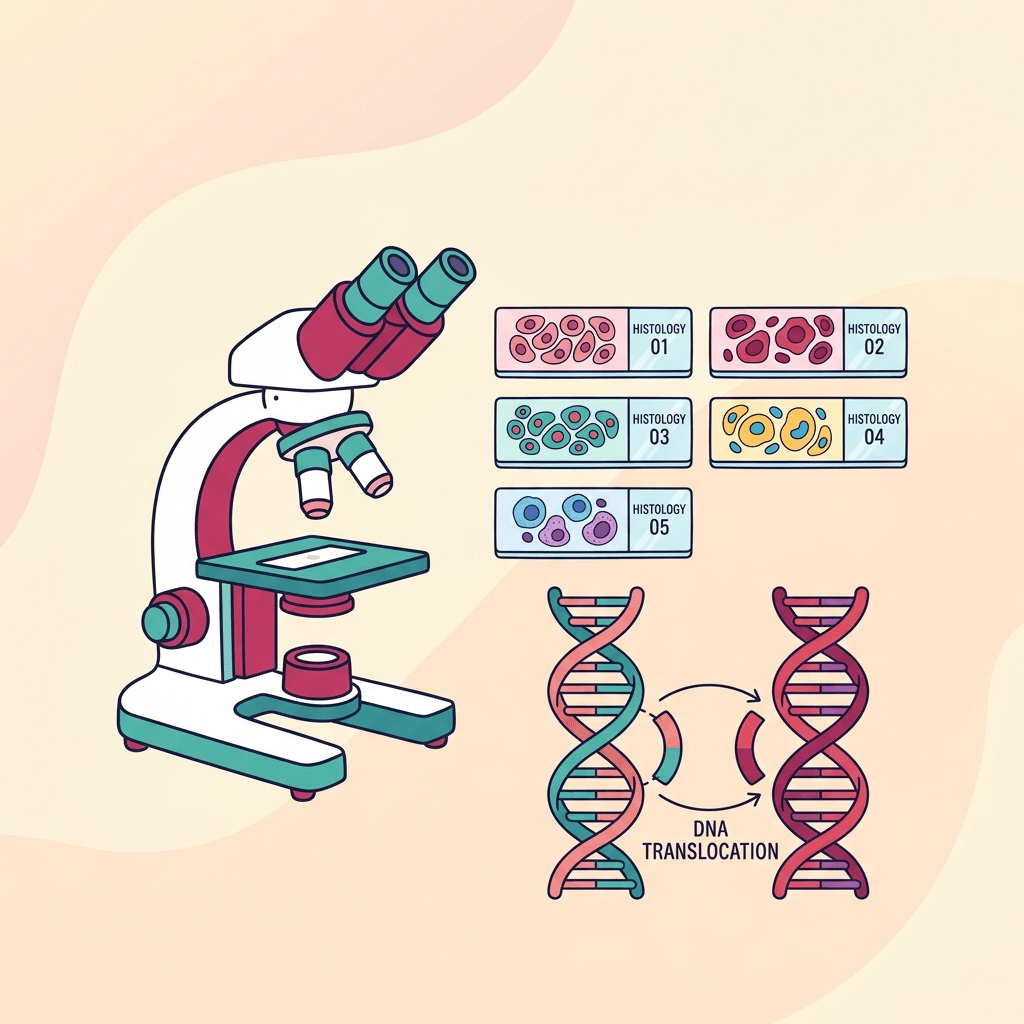
- Translocations: $t(8;14)$ for Burkitt's Lymphoma ($c-myc$), $t(11;14)$ for Mantle Cell Lymphoma ($CCND1$), $t(15;17)$ for Acute Promyelocytic Leukemia ($PML-RARA$).
- CD Markers: CD15 and CD30 for Reed-Sternberg cells in Hodgkin Lymphoma; CD5 positivity in CLL/SLL vs. Mantle Cell.
- Tumor Biomarkers: CA-125 for epithelial ovarian cancer, CA-19-9 for pancreatic carcinoma, CEA for colorectal cancer, and HER2/neu amplification thresholds.
If you try to review these facts by reading and re-reading your notes, your brain experiences rapid interference. Because these markers look similar (they are all acronyms and numbers), your memory of one marker actively overwrites another.
The Active Recall Solution
By converting these markers into atomic flashcards, you isolate each fact. Your brain is forced to perform active retrieval retrieval—retrieving only CD15/CD30 for Hodgkin, without the interference of Burkitt's markers.
📝 2. Structuring the Unstructured: The BTR Notes Flow
One of the most popular review resources for NEET-PG aspirants is BTR (Beyond The Ring) notes. BTR is incredibly high-yield, packed with dense tables, exceptions, and quick recall points.
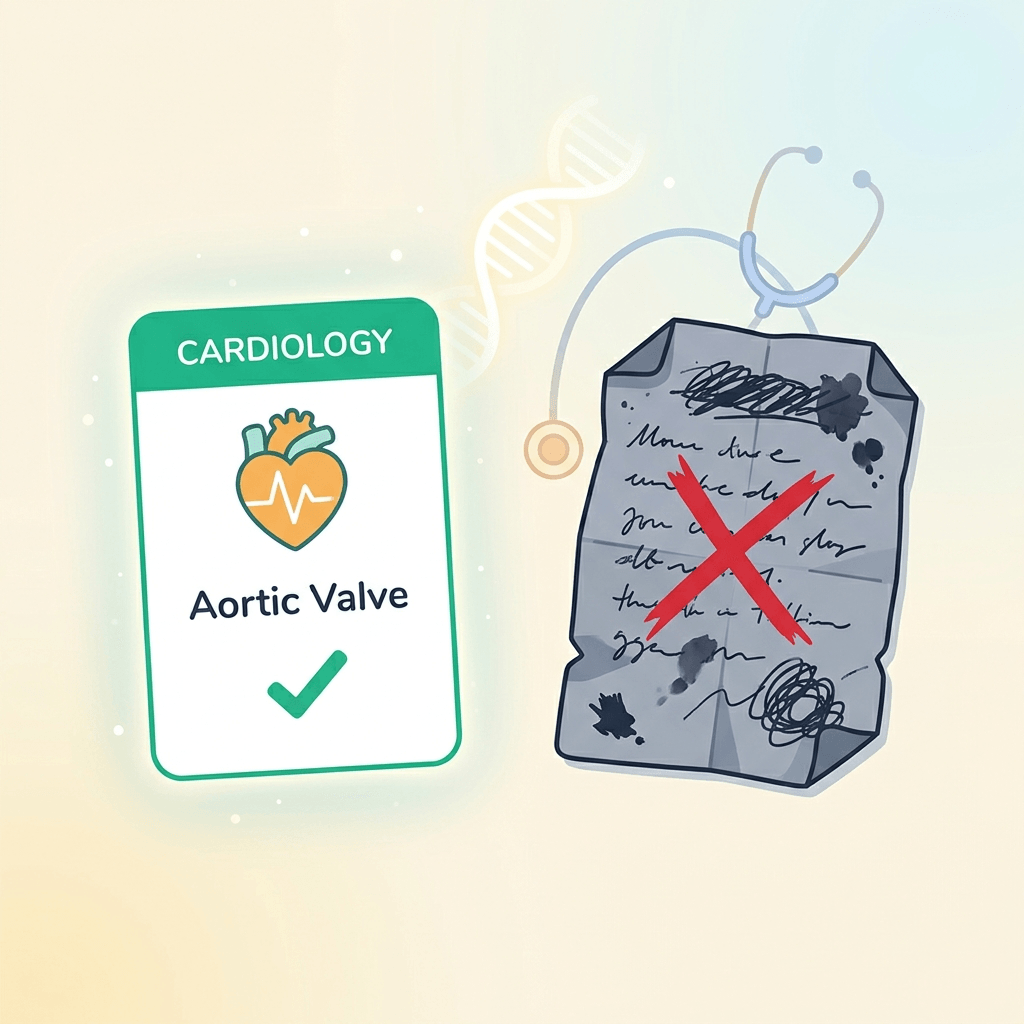
However, because BTR is designed as a rapid, compact review, the notes can often feel unorganized or chaotic to study from scratch. Students struggle to build structured study routines around them.
This is where the Floww Custom Deck feature has changed the game for our users:
- Frictionless Segmentation: Instead of getting overwhelmed by a dense page of BTR notes, users utilize the "Flow" custom deck creator to easily convert unstructured notes directly into spaced repetition cards.
- Immediate Retention: As soon as a chaotic list of markers is imported, the Floww system breaks them down into trackable, atomic cards. You convert a static, intimidating page of review notes into an interactive, active quiz.
- Organized Reviews: The FSRS scheduler automatically sequences your BTR cards, ensuring you review the most chaotic facts exactly when your memory starts to decay.
❌ 3. The Fatal Mistake: The "Card Everything" Trap
When medical students first discover the power of flashcards, they make a classic, fatal mistake: they try to turn every single sentence of their notes into a card.
If you make 300 cards for a single chapter of Renal Pathology, you will end up with a daily review queue of 1,000+ cards in a week. This leads directly to review paralysis and study burnout.
Floww’s Balanced Pre-made Strategy:
- Card Only Volatile Details: You should only make flashcards for facts that you have a hard time remembering or that have zero logical backing (e.g., translocations, biomarkers, drug half-lives).
- Understand the Concepts, Card the Facts: Don't make cards explaining how glomerulonephritis happens. Read the concept, understand the immunopathology, and only card the highly volatile diagnostic markers (e.g., "Subepithelial humps on EM" or "lumpy-bumpy immunofluorescence").
- Meticulously Balanced Decks: Floww's pre-made pathology decks contain only hyper-targeted, high-yielding cards. We balance the difficulty of the cards—mixing highly volatile CD markers with slightly easier conceptual cards—so that your daily study sessions feel smooth, rewarding, and completely manageable.
⚡ 4. Anatomy of a Perfect Pathology Card
What makes a flashcard actually work? Other platforms allow students to create highly complex card types with multi-step answers, image occlusion, and paragraph-long explanations.
At Floww, we have intentionally limited card structures because research shows simpler is better. Complex cards lead to "cue dependency" (where you only remember the answer if you see the exact visual layout of the card).
Instead, Floww focuses on two highly optimized formats:
- Automated Cloze Deletions (Fill-in-the-blanks): Perfect for markers and translocations.
- Standard What/Why/How Questions: Crucial for testing clinical reasoning and diagnostic criteria.
Floww Card Anatomy Examples:
| Disease & Fact | Floww Card Format | Why It Succeeds |
|---|---|---|
| Burkitt's Lymphoma Translocation | Burkitt Lymphoma is associated with t(8;14) which translocates the [__] gene.Answer: c-myc | Hyper-targeted cloze deletion. Tests the specific gene link immediately. |
| Hodgkin Lymphoma CD Markers | What classic CD markers are positive in Reed-Sternberg cells?Answer: CD15 and CD30 | Direct Q&A. Eliminates visual hints so you learn actual clinical association. |
| Ovarian Cancer Biomarker | Which serum biomarker is utilized to monitor Epithelial Ovarian Cancer?Answer: CA-125 | What/Why/How format. Mirrors clinical case vignette queries. |
🎯 The Verdict: Master Pathology Digitally
Pathology doesn't have to be a painful cycle of reading, forgetting, and crying over your notes.
By separating logical concepts from volatile biomarkers, converting unorganized notes using the Floww Custom Deck feature, and sticking to atomic card structures, you can easily lock thousands of pathology facts in your long-term memory.
Trust Floww’s balanced decks and let our FSRS scheduler optimize your pathology reviews behind the scenes. You study—the algorithm remembers.
Unlock Pathology Mastery. Start Reviewing High-Yield Decks Today.

Written by Floww Editorial
Medical Learning Editorial Team
Providing evidence-based medical study techniques, exam preparation strategies, cognitive retention research, and spaced repetition algorithm analysis for NEET-PG & INI-CET aspirants.