Floww vs Anki: Why "Free" is the Most Expensive Price You Can Pay
Key Takeaways (TL;DR)
- 1Anki comes with massive technical debt: steep learning curves, messy shared decks, and constant add-on management. Floww is instant and intuitive.
- 2Floww lets you create cards instantly by snapping a picture, or by typing a simple Q&A. No coding or complex templates required.
- 3Floww updates its native FSRS 6+ algorithm automatically in the background. With Anki, you are left guessing why your intervals feel wrong.
- 4Anki is text-heavy and boring. Floww uses interactive Mind Maps to create unforgettable visual hooks with integrated review cues.
The Spaced Repetition Dilemma: Floww vs Anki
If you're preparing for NEET PG, INICET, or other comprehensive medical exams, you already know spaced repetition is mandatory.
For years, the default answer was Anki. But in 2026, the landscape has changed. Anki is powerful, but it comes with a massive amount of technical debt.
Here is an honest comparison of Floww and Anki, and why thousands of students are making the switch.
Quick Summary
Floww — Best for: medical students who want instant visual cards and automated FSRS 6+ without the setup hassle.
Anki — Best for: power users who want full SRS control and don't mind managing technical debt.
Choose Floww if...
- ✅ Instant Creation: You want to create flashcards instantly by taking a picture or typing simple text
- ✅ Automatic Optimization: You want your FSRS 6+ algorithm automatically optimized in the background
- ✅ Visual Hooks: You need Mind Maps—visual tree hooks with integrated review cues for dense topics
- ✅ Premium UX: You want a clean, modern UI that doesn't cause text fatigue
- ✅ Zero Friction: You want an app that just works right out of the box
Choose Anki if...
- ✅ Manual Control: You want fine-grained control over every scheduling parameter
- ✅ Tinkering: You love configuring open-source software and managing add-ons
- ✅ Shared Decks: You rely heavily on huge community-made shared decks (even if messy)
- ✅ Niche Workflows: You need specialized, niche plugins for unique workflows
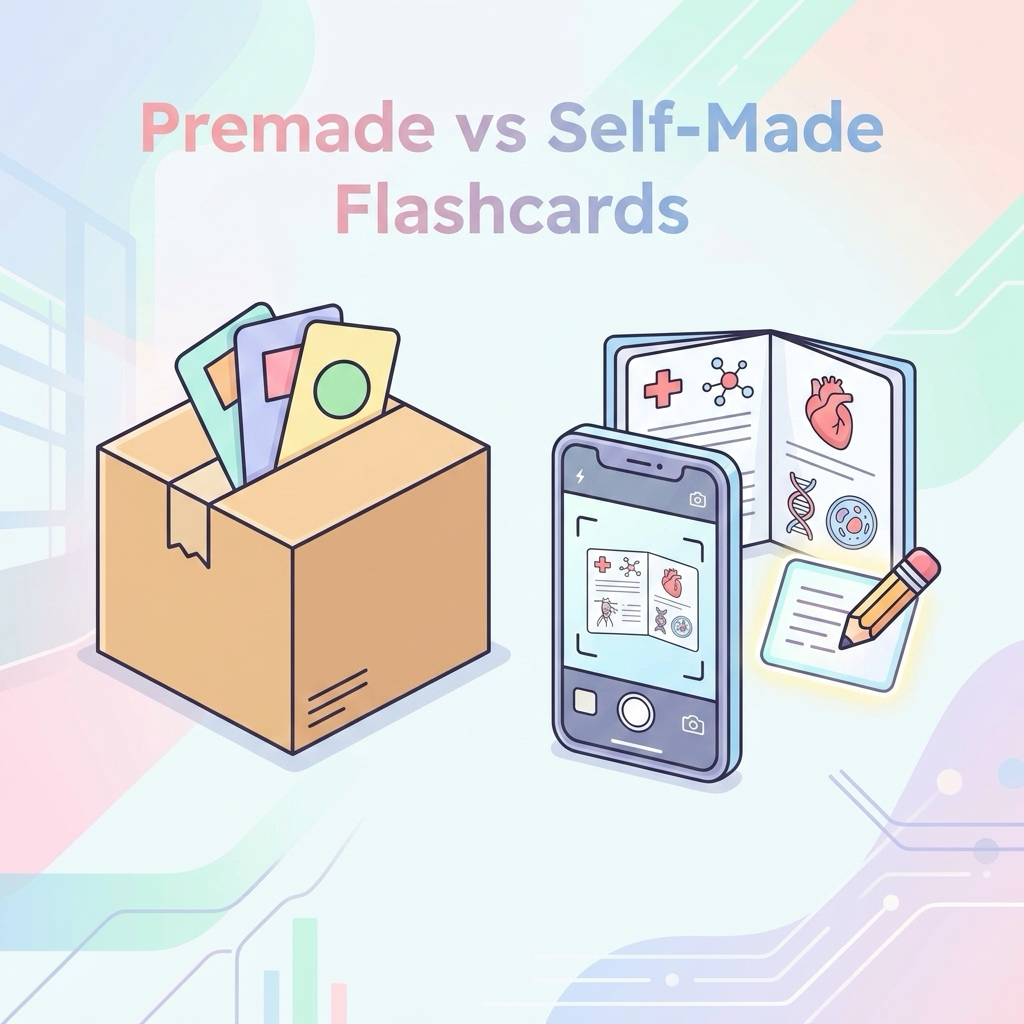
1. Card Creation: Technical Debt vs Instant Floww
- The biggest hurdle in Anki isn't remembering the cards—it's creating them.
- Anki requires you to understand complex note types, deal with messy and outdated shared decks, and face a ridiculously steep learning curve just to get started.
- Floww makes creation effortless. See something important in your textbook or notes? Just click a picture, select the subject and topic, and Floww creates flashcards from that image instantly.
- Prefer to make them manually? Just select the subject, type the question, type the answer, add an explanation if needed, and hit save. That's it. It’s quick, clear, and fast. No HTML, no CSS, no messy templates.
2. The Algorithm: Manual Tweaking vs Automatic Optimization
- Spaced repetition relies on the algorithm dictating when you see a card again.
- Anki recently added support for the modern FSRS (Free Spaced Repetition Scheduler). However, to get the most out of it in Anki, you have to constantly tweak settings, adjust parameters, and guess whether your intervals are too high or too low.
- Floww handles FSRS 6+ automatically. We regularly update Floww's FSRS settings to the absolute latest version behind the scenes. You stay ahead of the curve automatically. You never have to guess why a card showed up today instead of tomorrow—the math is perfectly calibrated for you.
3. The Ecosystem: Text Fatigue vs Visual Hooks (Mind Maps)
- Anki is, fundamentally, just flashcards. After an hour of reviewing plain text on a dated, boring UI, fatigue sets in. Furthermore, not every piece of medical information can be remembered just by reading it 50 times. Some concepts are just too dense.
- You need visual hooks.
- Floww features interactive Mind Maps—medical information organized into visual branches that stick with you for the longest time.
- Every Mind Map links directly with flashcard review cues so you can quickly test yourself on what you just studied. And if you get a question wrong? You can instantly jump straight to the connected concept node in your spaced repetition flow.
4. Pricing: The Hidden Cost of "Free"
- The most common argument for Anki is that it's free.
- But Anki's "free" price tag comes with a massive cost to your time. You have to manage and update add-ons (which frequently break). Because it's open-source, bugs can linger, forcing you to scour Reddit for technical support instead of studying. The UI is old, and the visual experience leaves you feeling bored and unmotivated.
- Floww also has a generous free tier. You get 3,000 cards per month for free. This is more than enough to try the features, experience the UI, and build a study habit before you ever commit a single rupee.
- When you do decide to upgrade, you aren't just paying for flashcards. You are paying to eliminate technical debt. You are paying for a premium, bug-free, modern interface. You are paying to get your time back.
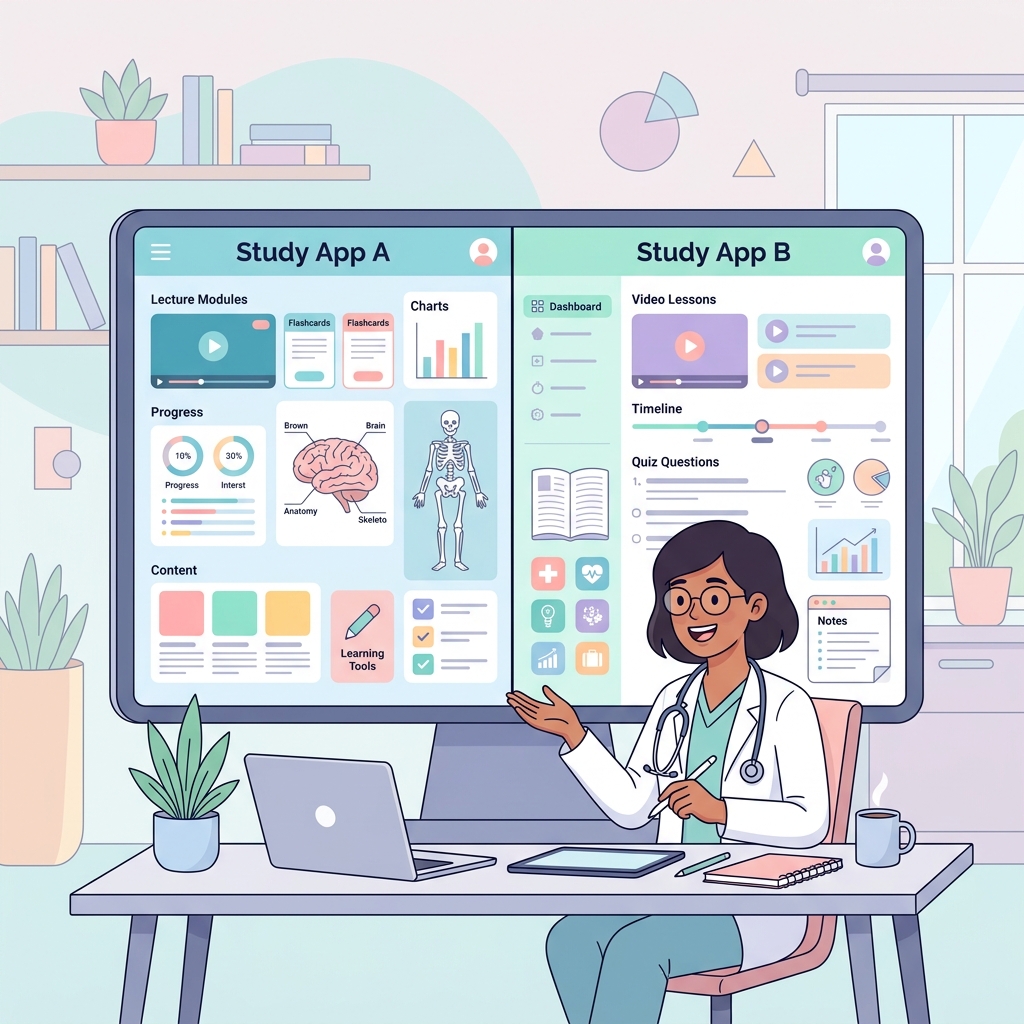
Feature Comparison Table
As of 2026 — based on publicly available product information.
| Feature | Floww | Anki |
|---|---|---|
| Instant Card Creation (Image/Text) | ✨ Built-in | ❌ Manual/Slow |
| FSRS Algorithm | 🚀 FSRS 6+ Auto-optimized | ✅ Manual tweaking required |
| Mind Maps & Visual Hooks | 🎨 Integrated | ❌ No |
| Integrated Quizzes | ✅ Yes | ❌ Add-ons only |
| Learning Curve | 🌱 Easy (minutes) | ⚠️ Steep (hours/days) |
| UI/UX | ✨ Modern, Premium | ⚠️ Dated |
| Offline Mode | ⚠️ Limited | ✅ Full offline |
| Add-ons/Plugins | ❌ No | ✅ Thousands |
| Community Decks | ❌ Limited | ✅ Massive |
| Open Source | ❌ No | ✅ Yes |
| Cloud Sync | ✅ Built-in | ⚠️ AnkiWeb |
Pricing at a Glance
| Category | Floww | Anki |
|---|---|---|
| Free Tier | 3,000 cards per month | Full (desktop + AnkiDroid) |
| iOS App Cost | Free to download | ₹2,499 one-time |
| Android App Cost | Free to download | Free (AnkiDroid) |
| Desktop App | Web App | Free |
The Verdict
Choose Anki if you love tinkering with software, managing add-ons, and have hours to spare building your own study system.
Choose Floww if your only goal is to crack NEET PG and INICET. We handle the formatting, the visual hooks, and the algorithm updates. You just have to show up.

Written by Floww Editorial
Medical Learning Editorial Team
Providing evidence-based medical study techniques, exam preparation strategies, cognitive retention research, and spaced repetition algorithm analysis for NEET-PG & INI-CET aspirants.